

Security & Segmentation
Review traffic separation, management access and policy boundaries for users, services and connected devices.
Review output: Segmentation priorities and device requirements

SECURE & MODERNIZE 2026
Review network segmentation, hardware lifecycle, PoE capacity, wireless performance and uplink compatibility before limitations become operational risks.
Practical review for upgrades, expansions and new deployments.
A PRACTICAL STARTING POINT
A reliable network upgrade starts with understanding what you already have, where capacity or lifecycle risks exist, and what the next deployment actually requires.
We help business buyers organize the technical and procurement decisions behind switches, wireless, security gateways, optics and supporting infrastructure before an order is placed.
5-MINUTE READINESS CHECK
Select the conditions that match your site. We will carry those priorities into the project review form so the next conversation starts with useful context.
This check organizes priorities. It is not a security audit or compatibility certification.
READINESS REVIEW AREAS
Each review area turns a general concern into a set of technical checks and practical procurement decisions.
Review traffic separation, management access and policy boundaries for users, services and connected devices.
Review output: Segmentation priorities and device requirements
Identify unsupported, capacity-limited or difficult-to-maintain equipment before it becomes an operational constraint.
Review output: Lifecycle risks and replacement priorities
Review coverage, active-client demand, access speeds, PoE standards, power reserve and growth.
Review output: AP, port and PoE planning inputs
Check where access, aggregation or WAN paths may restrict current demand or planned expansion.
Review output: Uplink speeds and capacity checkpoints
Match media type, distance, connector, speed and vendor requirements across each optical path.
Review output: Fiber and transceiver compatibility list
Identify single points of failure and decide where backup power, links, devices or WAN paths are justified.
Review output: Resilience priorities and options
Validate the relationship between switches, APs, gateways, modules, licenses, power supplies and cables.
Review output: BOM gaps, dependencies and questions
Connect the technical plan to availability, project timing and a reviewable commercial quotation.
Review output: Procurement follow-up and quotation scope
COMPLETE NETWORK PATH
A new access point or switch only performs as expected when the connected power, cabling, uplinks, gateway and management layers are ready for it.
Review the path as one system so access, uplinks, optics, power, management and lifecycle decisions work together.
BUSINESS ENVIRONMENTS
The same product list can lead to very different designs depending on operations, connected devices, distances, staffing and tolerance for interruption.

CUSTOMER-FACING OPERATIONS
Keep guest access, POS, CCTV, staff devices and site operations reliable during busy periods.

EVERYDAY BUSINESS
Balance secure access, predictable wireless service and manageable growth without unnecessary complexity.

MULTI-AREA CONNECTIVITY
Plan classroom density, shared services, cameras and building-to-building connectivity as one system.

OPERATIONAL TECHNOLOGY
Review environmental conditions, industrial endpoints, cameras and operational dependencies before expansion.

DISTRIBUTED & REMOTE
Connect distant buildings, outdoor devices and limited service locations with practical power and backhaul choices.
MULTI-CUSTOMER DELIVERY
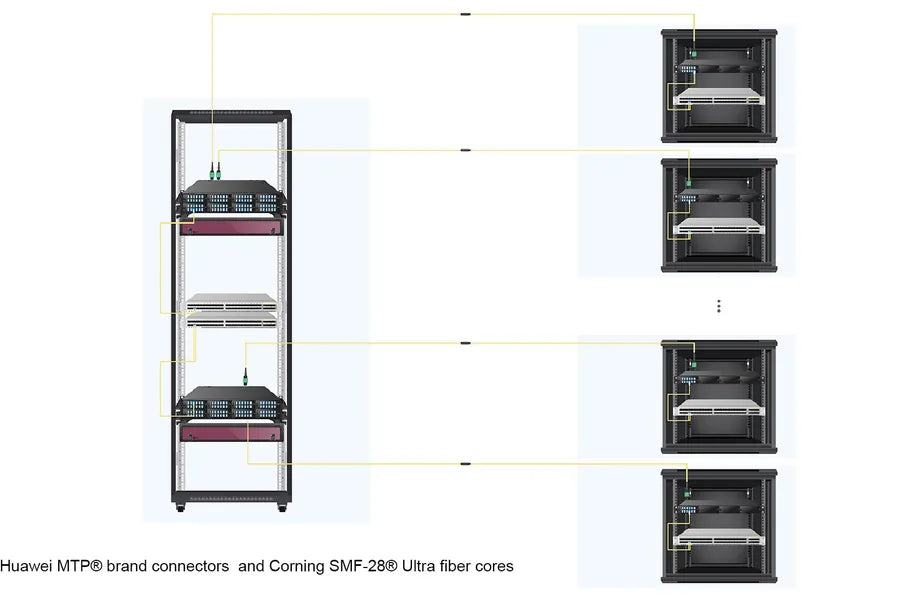
Turn customer inputs into a consistent, compatible and commercially reviewable deployment BOM.
FROM INPUTS TO A REVIEWABLE PLAN
Share the information you already have. The review becomes more precise as device, site and timing details are confirmed.
Send a device list, preliminary BOM, floor plan, topology or the models already installed.
Confirm what is changing, where limitations appear and what the business cannot afford to interrupt.
Check the relevant capacity, power, uplink, optic, management and support dependencies.
Organize equipment options, open questions, procurement timing and quotation scope for decision.
PRACTICAL RESOURCES
Move from general readiness into a focused design, product category or project review when the requirement is clear.
PROJECT REVIEW
Tell us what is installed, what is changing and where uncertainty remains. We will use those details to frame the technical and procurement review.
Share only project information you are authorized to provide. Do not include passwords, private keys or network credentials.
COMMON QUESTIONS
The first review can start with partial information. These answers explain what helps and what the review does not replace.
Start your reviewStart with the device list, preliminary BOM, current models, floor plan or topology you already have. Project location, timing and the main operational concern also help define the review.
Yes. An incomplete BOM can be reviewed for missing roles, dependencies and questions. Final compatibility still depends on confirmed models, software, licenses, power supplies and interfaces.
No. The readiness review can identify segmentation and equipment questions, but it does not replace a formal security assessment, compliance review or penetration test.
Yes. Share the exact models and intended connections. Mixed-vendor compatibility is reviewed against the available interface, optic, protocol, license and management information.
Yes. Once the technical scope and destination are clear, stock, lead time and project quotation can be checked for the proposed equipment.
The submitted project details are reviewed so the next response can focus on missing information, technical priorities and the appropriate quotation path.